Speeding is one of the most common contributing factors in car accidents. When a crash occurs in Aurora, and one driver was speeding, injured parties often assume that speeding alone automatically establishes fault. In reality, while speeding is a significant factor in many cases, it does not always guarantee a successful car accident lawsuit under Illinois law.
Winning a car accident claim requires more than showing that another driver exceeded the speed limit. Fault, causation, and damages must all be proven with evidence. Insurers often argue that speeding did not cause the crash or that other factors played a greater role. An Aurora car accident lawyer can help show the role that speeding played in your accident.
Understanding Negligence in Aurora Car Accident Cases
Car accident lawsuits in Aurora are governed by Illinois negligence law. To recover compensation, an injured party must prove four elements:
- The other driver owed a duty of care
- The driver breached that duty
- The breach caused the accident
- The accident resulted in damages
Speeding can satisfy the “breach of duty” element, but it does not automatically prove the remaining elements. The key legal question is whether the speeding directly caused or contributed to the collision and resulting injuries. An experienced Aurora personal injury lawyer can help establish the role that speeding played in your accident.

Is Speeding Considered Negligence Under Illinois Law?
Speeding is a violation of Illinois traffic laws and is generally considered evidence of negligence. When a driver exceeds the posted speed limit or drives too fast for road or weather conditions, they may be found negligent for failing to operate their vehicle safely.
However, evidence of speeding alone is not always enough. Courts and insurance companies also examine whether the speeding driver’s conduct was a substantial factor in causing the accident.

When Speeding Strongly Supports a Lawsuit
In many cases, speeding plays a clear and decisive role in causing a crash. Speeding may be sufficient to support liability when it:
- Prevented the driver from stopping in time
- Caused loss of vehicle control
- Increased stopping distance beyond what was reasonable
- Made a collision unavoidable
For example, if a speeding driver rear-ends a stopped vehicle or loses control while traveling well above the speed limit, speeding is likely a central cause of the accident.
Situations Where Speeding Alone May Not Be Enough
There are also situations where speeding is present but does not fully establish liability. These include cases where:
- Another driver made an unsafe turn or lane change
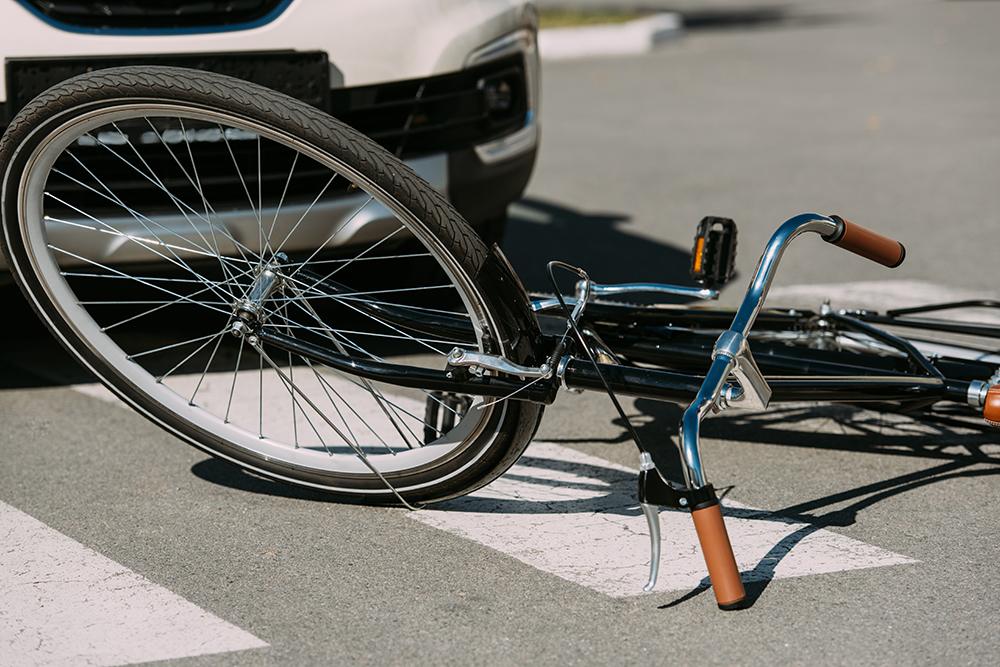
- A pedestrian or cyclist entered traffic unexpectedly
- Road hazards or mechanical failures played a significant role
- The injured party was also driving negligently
In these scenarios, insurers may argue that the accident would have occurred regardless of speed or that fault should be shared.
Evidence Used to Prove Speeding and Causation
Proving that a driver was speeding and that the speeding caused the crash requires reliable evidence. Common forms of evidence include:
Police Reports and Citations
Police reports often note whether speeding is suspected and may include citations issued at the scene. While a speeding ticket is helpful, it does not automatically establish civil liability. Insurers may still dispute whether speed caused the collision.
Physical Evidence from the Scene
Physical evidence can help estimate speed and reconstruct the crash, including:
- Skid marks and braking distance
- Vehicle damage patterns
- Debris fields
- Final resting positions of the vehicles
Accident reconstruction experts frequently rely on this evidence to determine whether excessive speed contributed to the crash.
Vehicle Data and Technology
Many modern vehicles contain event data recorders that capture speed, braking, and throttle input seconds before impact. Dash cameras, traffic cameras, and nearby surveillance footage may also document speeding behavior.
Witness Testimony
Independent witnesses may report that a vehicle was traveling unusually fast or driving aggressively. These statements can support claims of speeding, particularly when combined with physical evidence.
Speeding and Comparative Fault in Aurora
Illinois follows a modified comparative negligence rule. Under this rule, an injured party may recover compensation only if they are less than 50% at fault. Any damages awarded are reduced by the injured party’s percentage of fault.
In speeding-related cases, insurance companies often argue comparative fault by claiming that the injured party:
- Was also speeding
- Failed to yield or follow traffic signals
- Did not take reasonable steps to avoid the crash
Even if the other driver was speeding, these arguments can significantly reduce or eliminate recovery if not properly challenged.
How Insurance Companies Defend Speeding Claims
Because speeding is common, insurers frequently try to minimize its impact on liability. Common defense strategies include:
- Arguing that speed was only a minor factor
- Claiming the accident was unavoidable regardless of speed
- Disputing speed estimates or reconstruction findings
- Shifting blame to road conditions or other drivers
Without strong evidence and legal advocacy, speeding claims may be undervalued or denied.
When Speeding Increases the Value of a Case
While speeding alone will not guarantee a win, it can substantially increase the value of a case when combined with other factors, such as:
- Severe injuries caused by high-speed impact
- Clear traffic violations
- Aggravating conduct, such as racing or reckless driving
- Evidence showing the crash would not have occurred at a safe speed
In extreme cases, excessive speeding may also support claims for punitive damages if the conduct shows a willful or wanton disregard for safety.
The Importance of Proving Causation
Causation is often the most contested issue in speeding cases. It is not enough to show that a driver was speeding; the injured party must demonstrate that the speeding caused or worsened the collision.
This may involve showing that:
- The driver could have avoided the crash at a lawful speed
- The severity of injuries was directly related to excessive speed
- Reaction time and stopping distance were compromised
Accident reconstruction and expert testimony are frequently essential in meeting this burden.
Why Early Investigation Matters
Evidence related to speeding can be lost quickly. Vehicle data may be overwritten, video footage deleted, and physical evidence degraded. Delays can make it harder to prove both speed and causation.
Early legal involvement helps ensure:
- Preservation of vehicle data
- Prompt scene investigation
- Timely witness interviews
- Accurate reconstruction analysis
Taking action early can significantly strengthen a speeding-based claim.
How a Lawyer Can Help in a Speeding-Related Accident Case
An experienced Aurora car accident lawyer can assist by:
- Investigating whether speeding occurred
- Working with reconstruction experts
- Identifying all contributing factors
- Countering comparative fault arguments
- Presenting evidence that links speed to causation
Legal representation helps ensure that speeding is properly evaluated within the broader context of the crash.
Speak With an Aurora Car Accident Lawyer Today
If you were injured in a car accident involving a speeding driver in Aurora, it is important to understand how speeding affects your legal claim. While speeding is a serious traffic violation, it is not always enough on its own to win a lawsuit. A knowledgeable Aurora personal injury attorney can review the evidence, explain how fault and causation apply in your case, and help you pursue the compensation you may be entitled to recover.
Acting promptly can help preserve critical evidence and protect your rights. Schedule a free case review with a personal injury attorney from Charlie Therman Injury & Accident Lawyers, P.C., to learn whether speeding is enough to support your Aurora car accident lawsuit.